
- Our Top Coronavirus Advice And Help To Keep You And Your Family Safe
As you know travel increases your chances of contracting and spreading COVID-19.
Staying home is the best way to shield yourself and everyone near you from Coronavirus.
You can get coronavirus while travelling.
Maybe you feel fine and have no symptoms at all, but you still can spread COVID-19 to other people.
You and your fellow travellers that includes children that can spread COVID-19 to others, like your family, friends and community, up to 14 days after being exposed to the virus COVID-19.
Seek Coronavirus advice.
Before travelling
Before travelling, consider the following:
Is there a spread of COVID-19 at your destination?
Get yourself More Coronavirus Advice If Its Not Clear To You Yet
The more cases there are at your destination, the more likely it is that you will become infected during the trip and spread this virus to others when you return.
See the cases of each state in the last 7 days
Travel recommendations for destinations around the world
Do you live with someone who may be at higher risk of getting seriously ill from COVID-19?

COVID 19 Globe With A Mask
If you become infected while travelling, you can spread the virus to loved ones when you return, even if you have no symptoms.
Are you at a higher risk of getting seriously ill from Coronavirus?
Anyone can get seriously ill from the virus that causes COVID-19, but older adults and people of any age with certain underlying conditions are at higher risk of getting seriously ill from Coronavirus.
Does your destination have requirements or restrictions for travellers?
Some state, local and territorial governments have established requirements, such as requiring that people wear face masks and that recent travellers stay home for up to 14 days.
Check the websites of your state, territorial and tribal, as well as local public health departments for information before you travel.
If you travel abroad, check with the Foreign Office. Or the Ministry of Health of your destination country. The country information page of the Office of Consular Affairs of the United States Department of State external. Site icon for detailed entry requirements and restrictions for incoming travellers, such as mandatory screening or quarantine.
If you travel
Throughout your journey, take steps to shield yourself and other people from Coronavirus:
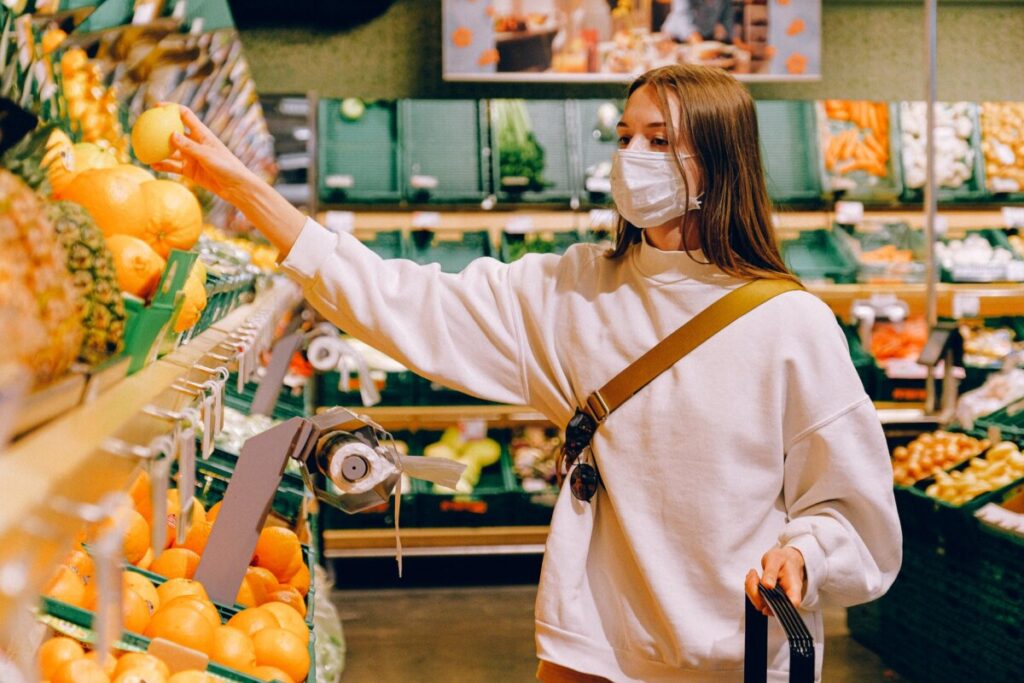
Use your mask to make sure your mouth and your nose are covered when in public environments.
Avoid close contact by maintaining a distance of at least six feet (about 2 arms outstretched distance) from anyone outside your household.
Always clean your hands use often your hand sanitiser if washing facilities are not available, (make sure your hand sanitizer is made with at least 60% of alcohol).
Avoid any association with sick people.
Try not to touch your mouth nose or your eyes.
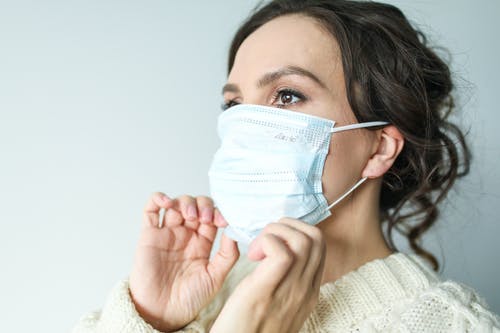
Coronavirus Travel Advice
Are you travelling abroad? Please review the CDC COVID-19 Travel Recommendations by Destination before planning your trip.
Considerations according to the type of trip.
Travel increases the chances of becoming infected and spreading Coronavirus.
Your chances of contracting COVID-19 while travelling also depends on whether yourself and people close to you you take the necessary steps. To keep yourself safe and others, such as wearing masks and staying 6 feet away from those who do not live in your home ( social distancing ).
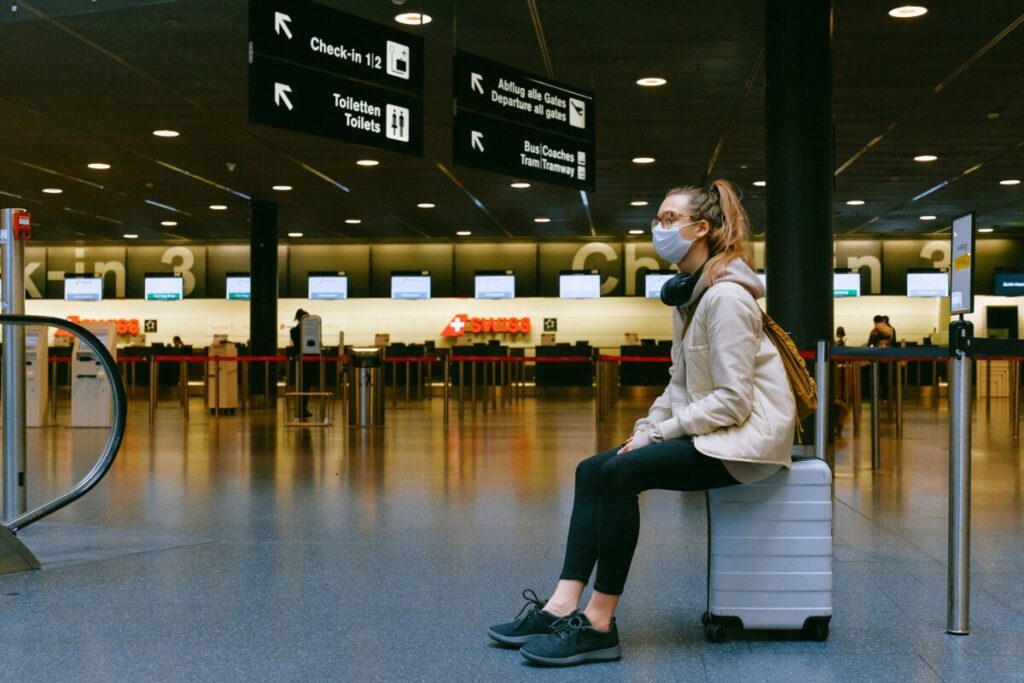
Airports, train stations, bus stations, and rest areas are places where travellers can possibly be exposed to the virus either in the air as well as surfaces. There are places where social distancing can be difficult to maintain. Generally, the more time you spend with someone that is positive to COVID-19, the greater their chance of becoming infected.
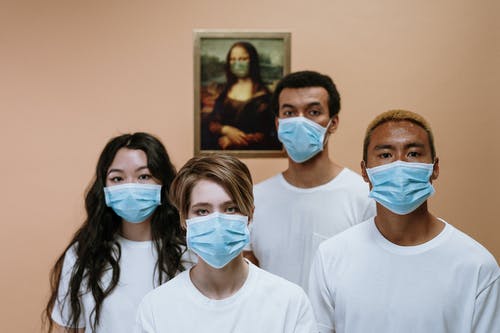
Coronavirus Advice For Air Travel
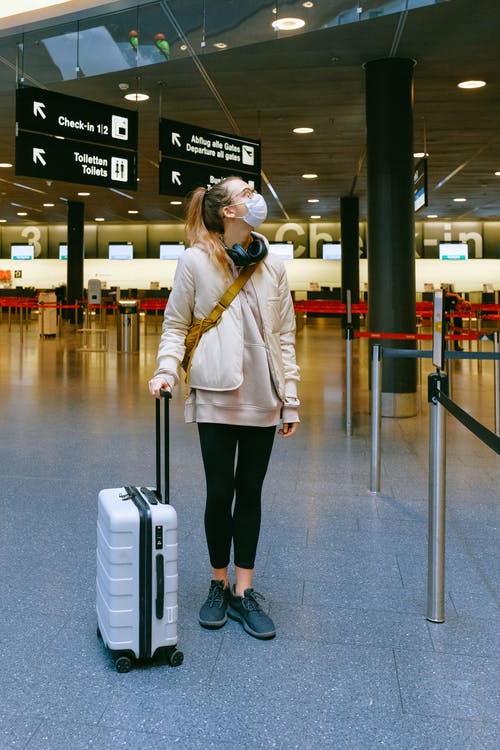
Air travel demands time spent in lines at security checkpoints and at airport terminals, where you can be in close contact among many people and commonly touched surfaces.
Most other viruses and germs are not easily spread on flights by the way the air flows and it is filtered during flights. However, it is difficult to maintain social distancing in crowded aeroplanes. And sitting or standing within 6 feet from other people - sometimes during hours - can increase the risk of catching COVID-19.
You should additionally consider how you will get to and back from the airport, since any public transport and carpooling will raise your chances of being contaminated.
Travel by bus or train
Riding trains or buses for any period of time can mean people sitting or even standing within 6 feet distance of other people, which can increase risks of contracting COVID-19. If you choose to travel by bus or train, learn what you can do to protect yourself when using public transportation.
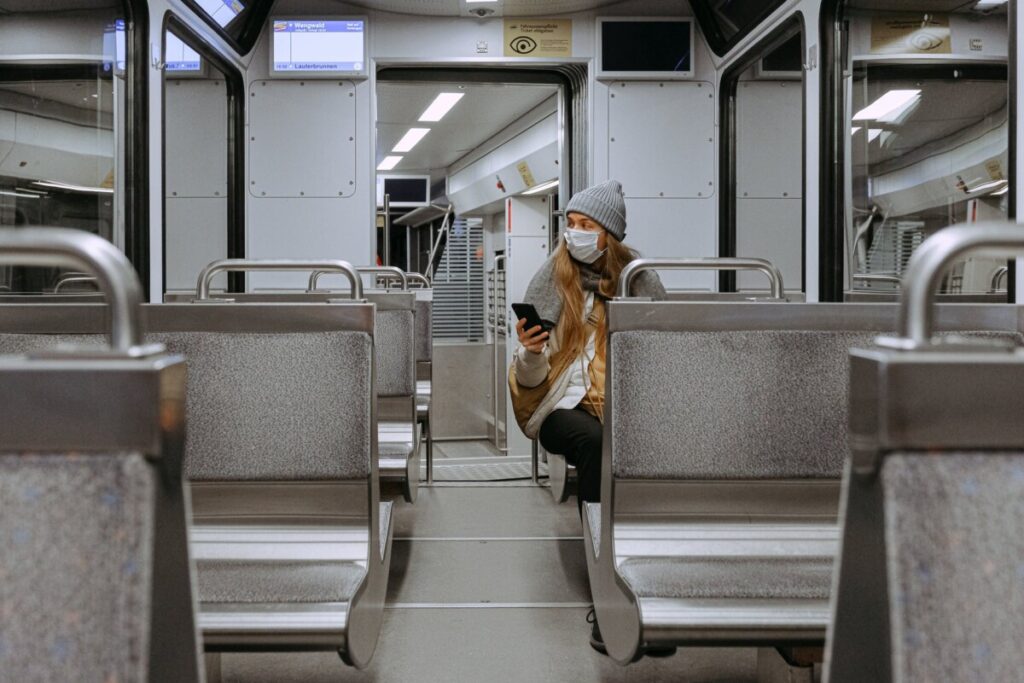
Travelling Staying Safe From COVID-19
Coronavirus Advice For Car Trips
Stops on the way to refuel, eat, or go to the bathroom can cause you and the people you are travelling with. To have a few connections with so many different people and with frequently touched surfaces.
Recreational Vehicle Travel
You may have fewer stops to eat or go to the bathroom, but RV trips typically involve spending the night in RV parks and fuelling and purchasing supplies in other public places. This may involve you and those travelling with you in the RV coming into contact with other people.
Learn more about how to protect yourself from Coronavirus by using different modes of transportation.
Know when to delay your trip just so you cant spread Coronavirus.
People that are infected, have lately tested positive to the virus that causes Coronavirus, or were exposed to someone positive to COVID-19 should delay their travel. Know when and for how long to delay your trip not to spread COVID-19.
How are companies protecting their customers from Coronavirus?
When planning your trip, we recommend checking the companies' and websites to learn what steps they are exercising to shield customers from the virus.
These measures should include:
- Ask people to use a mask
- Promote social distancing
- Perform online and contactless bookings and registration
- Practice contactless payment methods
- Intensify cleaning procedures
- Suggestions to avoid contracting and the spreading of Coronavirus in common travel situations:
- In public:
- Wear your mask in public environments.
- Keep at least 6 feet away (about 2 arm's length) from people who don't live with you.
Coronavirus Advice on Restrooms and Stops:
Washing well your hands using water and soap during at least 20 seconds after using the bathroom and after being in a communal area.
If water and soap are not available, use a hand sanitiser that carries at least 60% of alcohol. Spread on the whole surface of your hands and rub them really well together until they are dry.
When refuelling:
Use disinfectant wipes to clean dispenser handles and buttons before touching (if available).
After fuelling up, use a hand sanitiser with at least 60% alcohol. Upon arrival at your destination, scrub your hands using soap and water during 20 seconds.
Hotels and accommodation:
See tips for trips with accommodation.
Stops to eat:
The safest option is to bring your own food. If you don't bring your food, opt for in-car care, home delivery, or on-site or curbside pick-up.
Anticipate your travel needs
Carry a mask with you to use in public places.
Package hand sanitiser with at least 60% alcohol. Keep it handy.
Bring enough medications to last the entire trip.
Bring food and water in case stores and restaurants are closed or window service, pick-up-in-place, or outdoor tables are not available.
If you are considering cleaning your accommodation, consult the CDC's guide to cleaning and disinfecting.
See travel restrictions
State, local, and territorial governments may have implemented travel restrictions, including testing requirements, stay-at-home orders, and compliance with quarantine upon arrival.
Observe state, local, and territorial travel restrictions. For up-to-date information and travel guides, check with your state, territorial, tribal, and local health department wherever you are, your transit locations, and your destination. Be prepared to be flexible during your journey as restrictions and policies may change during your journey.
If travelling abroad or crossing international borders, check with your destination's Office of Foreign Affairs or Ministry of Health. Or the country information page of the Office of Consular Affairs of the United States Department of State external site icon for detailed entry requirements and restrictions for incoming travellers. Such as mandatory screening or quarantine.
Local policies in your destination may require you to be tested for Coronavirus before being allowed into the country. If your screening test comes back positive, you may be required to isolate yourself for a certain time. They could even prevent you from returning to the United States as scheduled.
Coronavirus Advice For After Travelling
Perhaps you could have been exposed to COVID-19 during your travels. You can feel fine and have no symptoms but can spread the virus and spread it to others without having symptoms.
You and the people you travel with (including children ) pose a risk to your family, friends, and your community for 14 days from the date of your exposure to the virus.
No matter where you have travelled or whatever you did throughout your journey, take these important steps to shield other people from becoming sick after you go back:
When there are other people, keep a distance of at least 6 feet (about 2 arms apart) from those who do not live in your home. You must do this wherever you are, both inside and outside.
Wear your mask to protect your mouth and nose always cover up when you leave the house.
Washing your hands frequently or use your hand the sanitiser (with at least 60% alcohol).
Keep an eye on your health for any symptoms of Coronavirus. Measuring your temperature if you don't feel well.
Follow any state, territorial, tribal, and local recommendations or requirements after your trip.
Coronavirus Advice About Activities That Pose A Greater Risk
Some trips and some activities can increase your risk of exposure to the virus Kovid-19 (see a list I have below). If you engaged in activities that pose a higher risk. Think you could have been exposed just before or even during your journey. Just take extra care (in addition to the what is listed above) to protect other people for the next 14 days following your return:
Stay at home for as long as tolerable.
Avoid any contact with people you know who may be at greater risk of becoming severely ill from COVID-19.
Reconsider getting a teste and get more Coronavirus advice.
What are the actions that pose the highest risk?
More Coronavirus Advice For You
This is just some examples of ventures and circumstances that increase the risk of becoming infected with Coronavirus:
- Being in areas where there are great levels of the propagation of the Coronavirus, including places with a health warning for trips Level 3.
- Please do check the Notices of travel health for suggestions and places travelled, including countries foreigners and US territories.
- You can additionally monitor the states, counties, and cities to decide if these regions are encountering large levels of Coronavirus.
Attend a big social function such as birthdays, wedding, any parties and funerals.
Attending a crowd gathering, like a football game, concert, or even a parade.
Being in restaurants, nightclubs, bars, train stations, on a bus or cinemas.
Travelling by cruises ships or just riverboats.
Once you know you've been exposed to an individual contaminated with Coronavirus, put off all future trips.- If you have symptoms of COVID-19, read What you need to do if you are sick.
Stay safe and I hope this post has helped you in some way.


